The relentless churn of London’s districts and histories continues as backdrop to our day to day experience. Step off your habitual pathways for just a moment and discover redrawn environments that jump cut the geography of your mind map.

A recent derive around City of London confirmed just how extraordinary a phenomenon this is in light of the post pandemic exodus and uncertainty for the future of work. Many international insurance companies, banks and mega corporations extracted themselves to country retreats with little trace but the now vacant floors throughout the city.
Not that this change of heart seems to have effected the prospecting of high finance, ever seeking to reformulate and adapt. Perhaps we under estimate just what has been going in the comparative lull of normal business since then. New monolithic structures, many as yet incomplete litter the streets from Fleet to Fenchurch, Canon to Great Eastern. Other less fortunate and soulless forms remain in place to shore up and exemplify vested power structures and shadow economics.
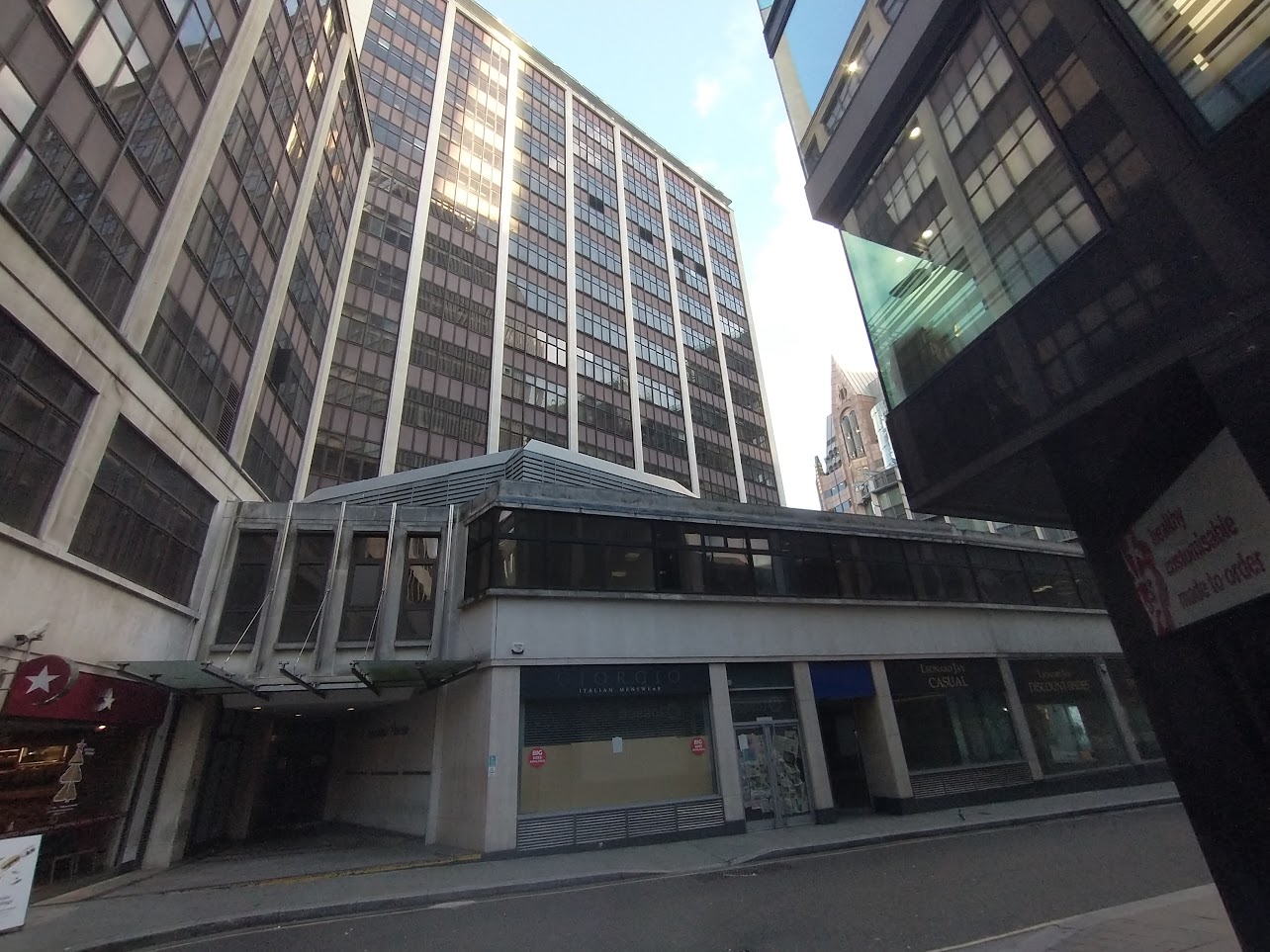
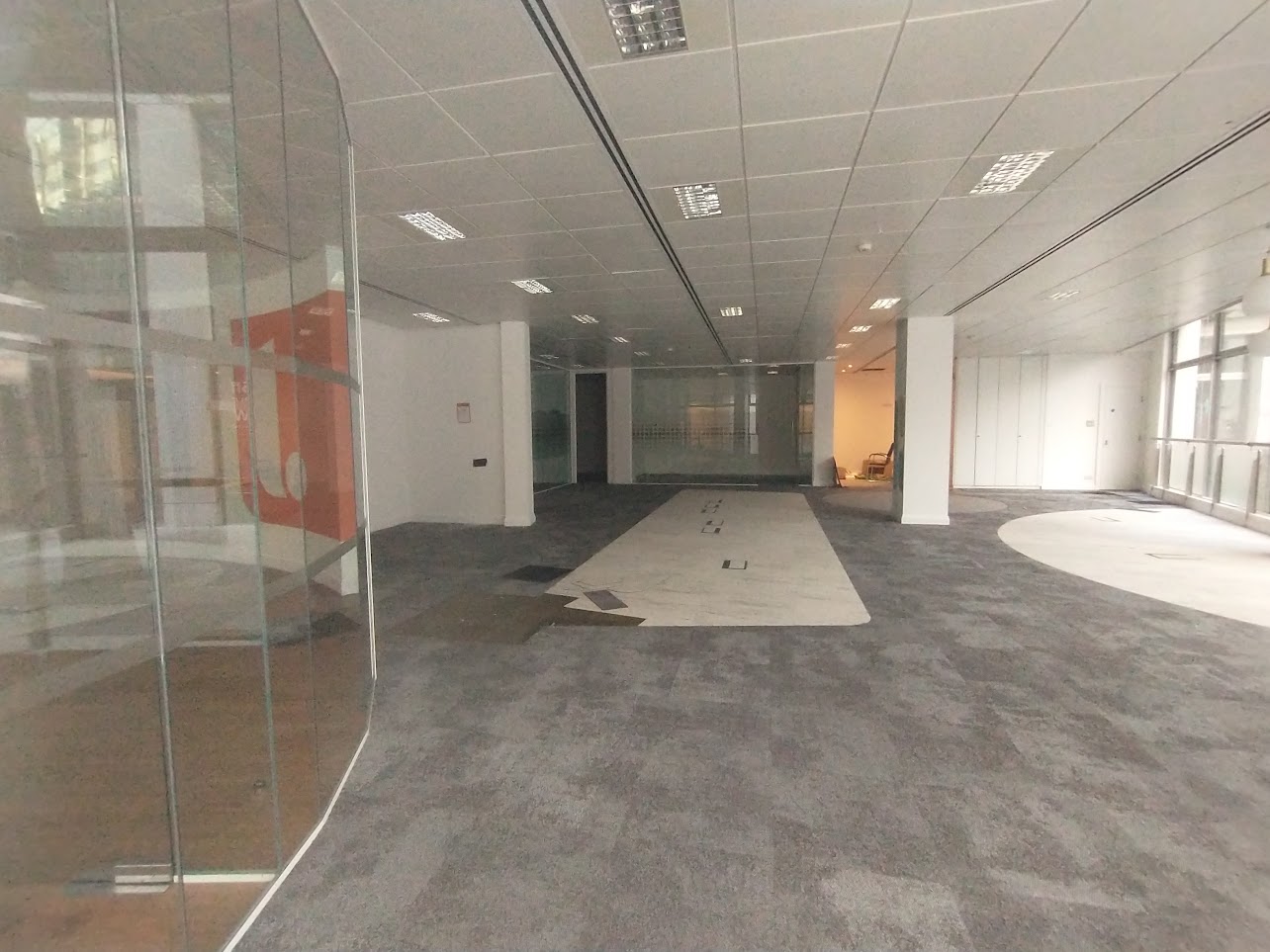
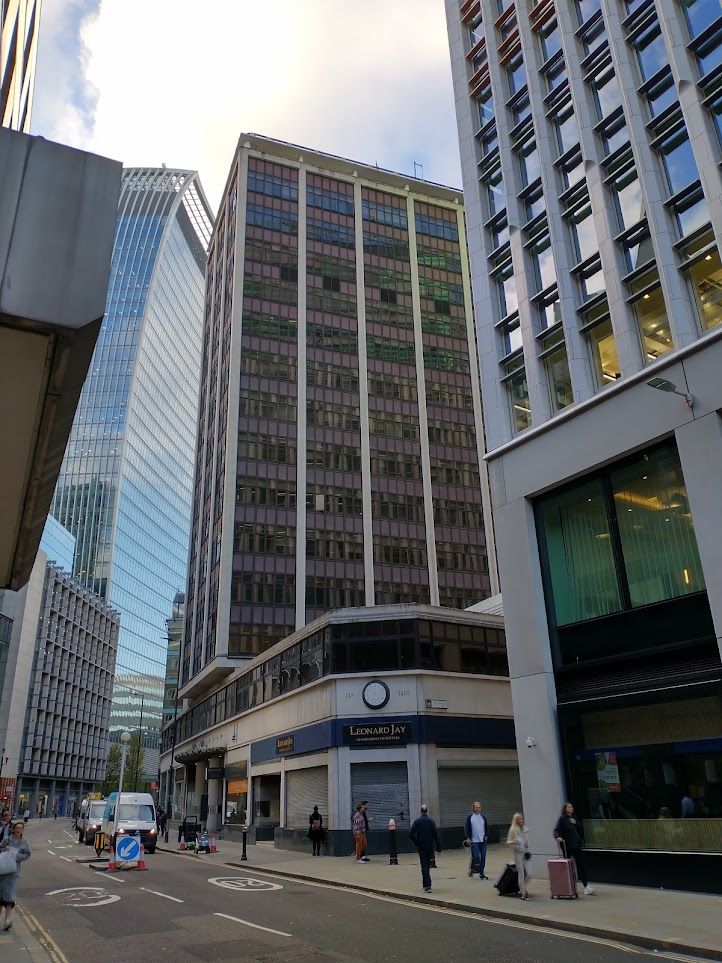
Some of the most notable post war modernist buildings are in the firing line as their once optimistic profiles have long since fallen from grace and languish untended and vulnerable to the sweep of speculative indifference. Fountain House on Fenchurch Street has just such a history and precarious future. It’s owner and guardian the Clothmakers Company are 500 years adrift from their origins and will roll on undisturbed whatever the state of play. The Mercers, Grocers and Drapers weald hidden hands and backroom beliefs in an eternal wealth they operate as charity, challenge free. One hundred and eleven such merciful companies retain the core controls over how the square mile and much else besides, is operated and understood.
No point in brooding on all this inequality when it comes to eeking out a position from which to illustrate options and develop much needed opportunities for those without portfolio. Any acknowledgement of the alternatives to capitalism is rare yet without doubt there is upsurge of interest in full social democracy and egalitarian redress.
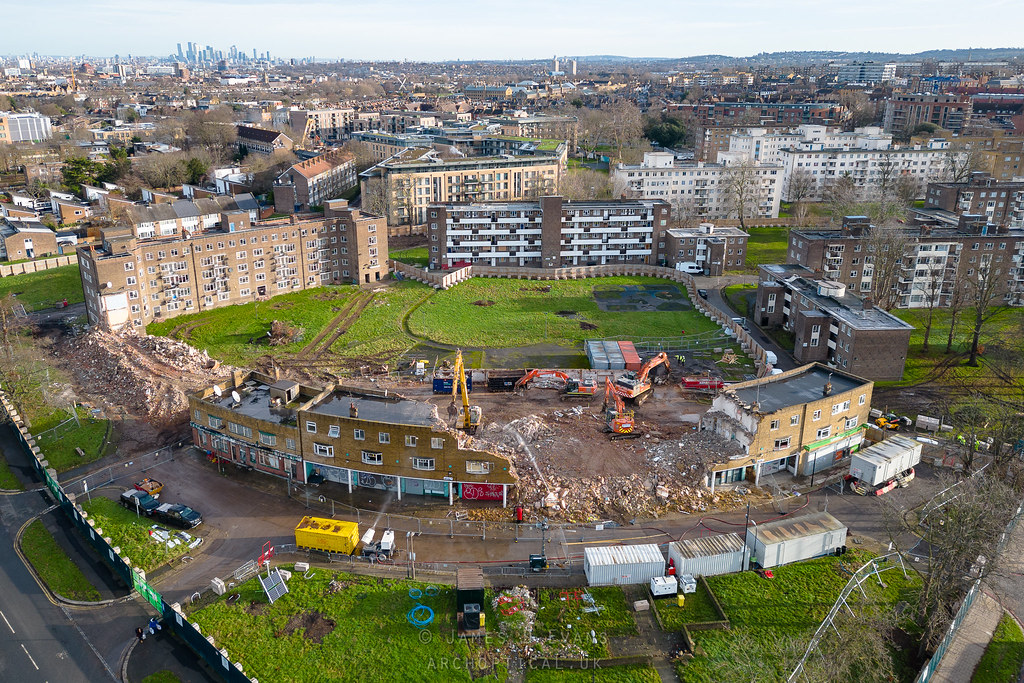
Over in South London, pastures gave way to Victorian mass house building and the laundering of colonial wealth through property prospecting. These legacies ran aground in post war Britain when the scale of dereliction was dropped into the lap of London Borough Councils poorly equipped and underfunded. New housing estates were added to the stocks but the scale of inadequacy, corruption and lack of foresight in general resulted in substandard planning and construction. Abandonment of responsibility for incoming populations consigned impoverished communities to these dilapidated estates where social problems were condensed in pin mould.

50 years on, post pandemic, a fresh wave of redevelopment determinism is welcome, yet for those of Clapham Park the long awaited rebuilding of the rotten estate buildings signals a shortening of tenure for many. Grand plans and positive process can’t hide the likelihood some will be unable to adapt to a refined environment and the increases in rents due. It’s taken a huge push to get to this point for all those concerned and the proposals for community integration in to the housing association future offer a range of shared ownership, part exchange and buyback will leave many with poor options. Demolition is underway so those with the least may find themselves moved out of town or excluded block by block.
MTVH are currently inviting proposals for resident artist or consultant engagement to shape up a Public Art Strategy in sync with Lambeth Council planning and commissioning frameworks. The staged redevelopment and re-homing of residents presents unique difficulties and complexities that will stretch resources and patience.
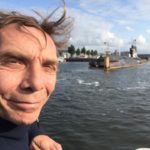
Local artist and filmmaker Pete Gomes presented himself for last minute consideration with a well considered overview text and upbeat introduction video which should align the ambitions of the Clapham Park Committee; made up of current residents, senior leadership team with the MYVH CEO. Their brief defines placemaking and wayfinding as key with celebration of diversity, quality of life and social cohesion as imperatives to raise Clapham Park’s profile and legacy as its own destination.
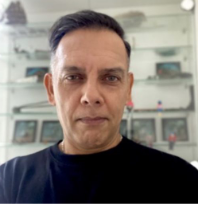
Pete has lived locally for over 30 years. His response is to identify with a Community Area Network pragmatism, where shared digital resources and collaboration tools are promoted locally to organise events, express social cohesion and acceptance of our distinct human qualities and needs.
‘I am in this local community and I am part of it. I have experienced how the area has radically changed: new school buildings; demolished shops and pubs; new landscaping; and I have seen the hard work and results of self initiated community gardening projects and public arts. My approach is a practical and direct connection to the diverse people in my area’.
Perhaps more importantly he has working experience in social settings and a passion for the built environment, public art with great insights into dynamic thinking and improvisation.
‘ I am an academic, a Doctor of Arts, completing my doctorate in 2021. My research developed an entirely new innovative way of working in groups and ensembles, where skills and responsibilities are actively shared between participants, who work together without hierarchies. I devise and develop creative community workshops and use them as a way of developing connections between people and making dynamic social environments. My skills and experiences enable me to speak and connect with a wide range of classes, cultures, types and ages being able to listen and nurture meaningful and connected relationships.’
Let’s hope the strengths needed in support of local peoples rights for good quality and safe affordable homes, is delivered through enaction of co-authored plans for cultural enrichment and well being.